
Boost Your Airbnb Income with Strategic Pricing: Mastering Airbnb Pricing Strategy
- Anar Ibrahimov

- Jun 1
- 3 min read
Maximizing income from your Airbnb property requires more than just listing it online. Strategic pricing plays a crucial role in attracting guests and increasing your rental revenue. By understanding market trends, guest behavior, and pricing tools, you can optimize your rates to fill your calendar and boost your earnings. In this post, I will share practical insights and actionable tips to help you develop an effective Airbnb pricing strategy.
Understanding Airbnb Pricing Strategy: The Foundation of Success
Setting the right price is a balancing act. Price too high, and you risk empty nights. Price too low, and you leave money on the table. A well-planned Airbnb pricing strategy considers several factors:
Market demand: High demand periods like holidays or local events allow for higher prices.
Competition: Analyze similar listings in your area to understand the going rates.
Seasonality: Adjust prices based on seasonal trends in your location.
Property features: Unique amenities or location advantages justify premium pricing.
Length of stay: Offer discounts for longer stays to encourage bookings.
For example, if your property is in a popular city center, you can charge more during weekends and special events. Conversely, during off-peak seasons, lowering prices slightly can maintain occupancy.
Using dynamic pricing tools can automate these adjustments, but understanding the underlying principles helps you make informed decisions and override automated suggestions when necessary.

How to Implement an Effective Airbnb Pricing Strategy
To implement a successful pricing strategy, follow these steps:
Research your market: Use Airbnb’s search function to find comparable listings. Note their prices, occupancy rates, and guest reviews.
Set a base price: Determine a competitive starting price based on your research.
Adjust for demand fluctuations: Increase prices during peak times and reduce them during slow periods.
Incorporate minimum stay requirements: Longer minimum stays during busy periods can maximize revenue.
Offer discounts strategically: Use weekly or monthly discounts to attract longer bookings.
Monitor and update regularly: Track your booking patterns and adjust prices monthly or as needed.
For instance, if you notice your property is booked solid on weekends but empty on weekdays, consider lowering weekday prices or offering midweek discounts to attract more guests.
Leveraging Technology and Tools for Pricing Optimization
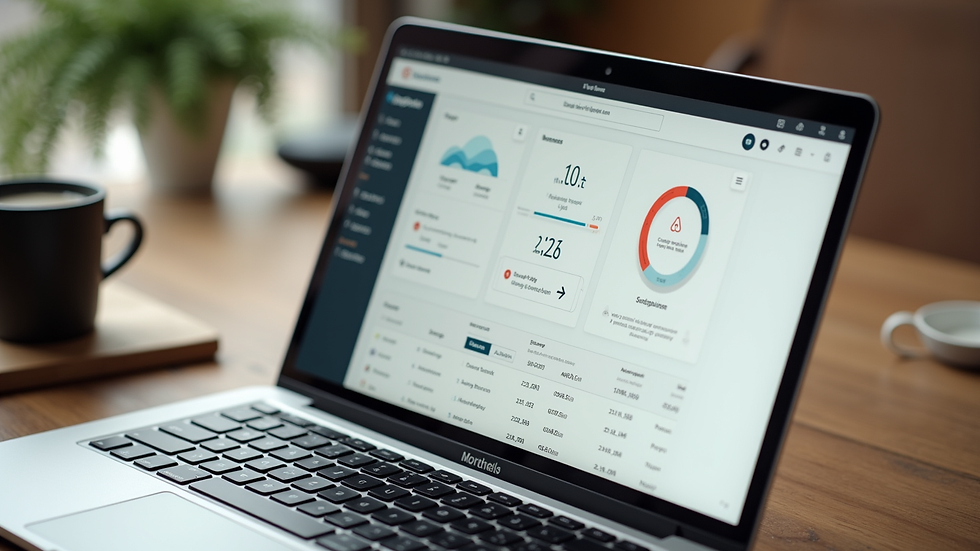
Technology can simplify managing your Airbnb pricing strategy. Several tools analyze market data and adjust your rates automatically. These tools consider factors like local events, competitor pricing, and booking trends.
Some popular features to look for in pricing tools include:
Dynamic pricing: Automatically adjusts rates based on demand.
Calendar syncing: Prevents double bookings across platforms.
Customizable rules: Allows you to set minimum and maximum prices.
Performance reports: Provides insights into occupancy and revenue.
While these tools are helpful, combining them with your local knowledge and guest feedback ensures your pricing remains competitive and attractive.
The Role of Professional Support in Pricing Strategy
Managing pricing effectively can be time-consuming and complex. Partnering with an airbnb management company porto can provide expert assistance. These companies specialize in optimizing pricing, marketing, and guest communication to maximize your rental income.
Professional management companies offer:
Market analysis tailored to your property.
Dynamic pricing adjustments based on real-time data.
Marketing strategies to increase visibility.
Guest screening and communication to improve reviews.
By leveraging their expertise, you can focus on other priorities while ensuring your property performs well financially.
Tips for Maintaining Competitive Pricing Over Time
Pricing is not a set-it-and-forget-it task. The market evolves, and so should your strategy. Here are some tips to keep your pricing competitive:
Regularly review competitor prices: Stay updated on what others charge.
Track your occupancy rates: Low occupancy may signal the need for price adjustments.
Solicit guest feedback: Understand if guests perceive your pricing as fair.
Stay informed about local events: Adjust prices ahead of festivals, conferences, or holidays.
Test different pricing models: Experiment with discounts, weekend premiums, or last-minute deals.
Consistency and flexibility are key. By monitoring your results and adapting, you can maintain a strong income stream.
Enhancing Guest Experience Through Pricing Transparency
Clear and transparent pricing builds trust with guests. Avoid hidden fees or sudden price changes that can lead to negative reviews. Instead:
Clearly list all fees upfront.
Explain any seasonal or event-based price changes in your listing description.
Offer flexible cancellation policies to encourage bookings.
Transparent pricing encourages repeat bookings and positive word-of-mouth, which ultimately supports your income goals.
Strategic pricing is a powerful tool to boost your Airbnb income. By understanding market dynamics, leveraging technology, and possibly partnering with professionals, you can optimize your rates and occupancy. Regularly reviewing and adjusting your pricing strategy ensures your property remains competitive and profitable in a changing market.


Comments