
Rental Pricing Optimization: Setting Optimal Rental Prices with Data
- Anar Ibrahimov

- Aug 10
- 4 min read
Setting the right rental price is crucial for maximizing income and maintaining high occupancy rates. Pricing too high can scare away potential guests, while pricing too low leaves money on the table. Using data to guide rental pricing decisions helps balance these factors effectively. In this post, I will share practical insights and methods to optimize rental prices based on data analysis.
Understanding Rental Pricing Optimization
Rental pricing optimization involves analyzing various data points to determine the best price for a property at any given time. This process considers factors such as market demand, seasonality, local events, and competitor pricing. By leveraging data, property owners can adjust prices dynamically to attract guests while maximizing revenue.
For example, during peak tourist seasons or local festivals, demand increases, allowing for higher prices. Conversely, during off-peak times, lowering prices can help maintain occupancy. Data-driven pricing also helps identify trends over time, enabling better long-term planning.
Key elements to consider in rental pricing optimization include:
Market analysis: Study similar properties in your area to understand their pricing strategies.
Demand forecasting: Use historical booking data and local event calendars.
Seasonal adjustments: Recognize patterns in guest behavior throughout the year.
Competitor monitoring: Track competitors’ prices regularly to stay competitive.
By combining these elements, you can create a pricing strategy that adapts to changing market conditions.
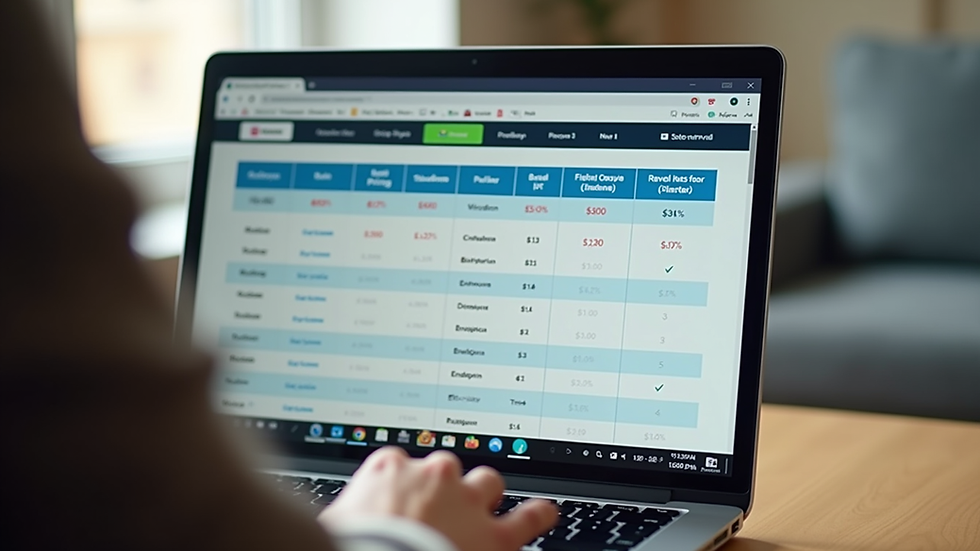
Tools and Techniques for Rental Pricing Optimization
Several tools and techniques can assist in rental pricing optimization. These range from simple spreadsheets to advanced software solutions that use machine learning algorithms. Here are some practical approaches:
Manual Market Research: Regularly check listings similar to your property on popular rental platforms. Note their prices, occupancy rates, and guest reviews. This helps you understand what guests are willing to pay.
Dynamic Pricing Software: These tools automatically adjust prices based on real-time data such as demand, seasonality, and competitor pricing. They reduce manual effort and improve accuracy.
Historical Data Analysis: Analyze your own booking history to identify patterns. For example, if weekends consistently have higher occupancy, consider raising prices on those days.
Local Event Calendars: Incorporate information about local events, holidays, and festivals. Prices can be increased during these periods due to higher demand.
Occupancy Rate Monitoring: Track your occupancy rates closely. If your property is booked solid weeks in advance, it may be time to increase prices.
Guest Feedback: Pay attention to guest feedback regarding value for money. If many guests mention the price as a concern, it might indicate a need to adjust.
Using a combination of these techniques will provide a comprehensive view of the market and help you set competitive prices.
How to set up internet when renting?
Reliable internet access is a key factor for many guests when choosing a rental property. Setting up internet properly can enhance guest satisfaction and justify higher rental prices. Here are some steps to ensure your property has excellent internet service:
Choose a high-speed provider: Research local internet service providers and select one offering fast and stable connections. Fiber-optic or cable internet is preferable.
Install a quality router: Invest in a router that covers the entire property with a strong signal. Consider mesh Wi-Fi systems for larger homes.
Test the connection: Before listing your property, test the internet speed in all rooms. Use online speed tests to verify download and upload speeds.
Provide clear instructions: Leave easy-to-follow instructions for guests on how to connect to the Wi-Fi network.
Offer backup options: In case of outages, consider providing a mobile hotspot or a backup internet source.
Highlight internet availability: Mention the internet speed and reliability in your listing description to attract guests who prioritize connectivity.
Good internet service can be a deciding factor for business travelers, remote workers, and families, making your property more appealing.

Practical Steps to Implement Data-Driven Pricing
Implementing data-driven rental pricing requires a structured approach. Here are actionable steps to get started:
Collect Data: Gather data on your property’s past bookings, local market prices, and demand trends. Use rental platforms, local tourism websites, and event calendars.
Analyze Competitors: Identify 5-10 comparable properties and track their pricing and occupancy. Note differences in amenities and location.
Segment Your Calendar: Divide your rental calendar into segments such as weekdays, weekends, holidays, and special events. Assign different base prices to each segment.
Set Minimum and Maximum Prices: Define a price range based on your costs, desired profit margin, and market conditions. This prevents prices from going too low or too high.
Use Pricing Tools: If possible, integrate dynamic pricing software to automate adjustments. Otherwise, update prices manually based on your analysis.
Monitor Performance: Track occupancy rates, booking lead times, and guest feedback regularly. Adjust your strategy as needed.
Communicate Value: Ensure your listing highlights unique features and amenities that justify your pricing.
By following these steps, you can create a flexible pricing model that responds to market changes and maximizes revenue.
Benefits of Using Data for Rental Pricing
Using data to set rental prices offers several advantages:
Increased Revenue: Optimized pricing captures the maximum willingness to pay from guests.
Higher Occupancy: Adjusting prices based on demand helps fill vacancies during slower periods.
Competitive Edge: Staying informed about market trends keeps your property attractive compared to others.
Better Forecasting: Data analysis improves your ability to predict future demand and plan accordingly.
Reduced Guesswork: Decisions based on data are more reliable than intuition alone.
Improved Guest Satisfaction: Fair pricing aligned with market conditions enhances guest trust and reviews.
Incorporating data into your pricing strategy is a smart investment that pays off in both financial and operational terms.
Moving Forward with Confidence in Rental Pricing
Setting optimal rental prices is an ongoing process that benefits greatly from data-driven insights. By continuously monitoring market conditions, guest preferences, and your own property’s performance, you can refine your pricing strategy to achieve the best results.
If you want to learn more about how to set rental prices with data, there are many resources and tools available to guide you through the process. Remember, the goal is to balance profitability with guest satisfaction, creating a sustainable and successful rental business.
With careful attention to data and market trends, you can confidently set rental prices that attract guests and maximize your returns. This approach supports long-term growth and helps maintain a strong portfolio of professionally managed short-term rental properties.


Comments