
Using Data-Based Rental Pricing to Maximize Your Property’s Potential
- Anar Ibrahimov

- May 18
- 5 min read
Setting the right rental price is crucial for maximizing income and occupancy. Pricing too high can scare away potential guests, while pricing too low leaves money on the table. I have found that using data to guide rental pricing decisions is the most effective way to strike the right balance. This approach helps me understand market trends, guest preferences, and property value factors clearly and objectively.
In this post, I will share practical insights on how to use data to optimize your rental pricing. You will learn how to analyze relevant information, identify what adds value to your rental, and adjust prices dynamically to stay competitive. Whether you manage one property or a portfolio, these strategies can help you improve financial performance and guest satisfaction.
Understanding Data-Based Rental Pricing
Data-based rental pricing means setting your rental rates based on real market data rather than guesswork or intuition. This method relies on gathering and analyzing information such as:
Local rental market rates
Seasonal demand fluctuations
Competitor pricing and occupancy
Property features and amenities
Guest reviews and preferences
By combining these data points, you can create a pricing strategy that reflects current market conditions and maximizes revenue.
For example, I track rental prices of similar properties in my area weekly. When I notice a competitor lowering their rates during a slow season, I adjust mine accordingly to maintain occupancy. Conversely, during peak travel periods, I increase prices to capture higher demand.
Using data also helps avoid common pitfalls like underpricing newly listed properties or overpricing during low-demand periods. It provides a clear, evidence-based foundation for your pricing decisions.
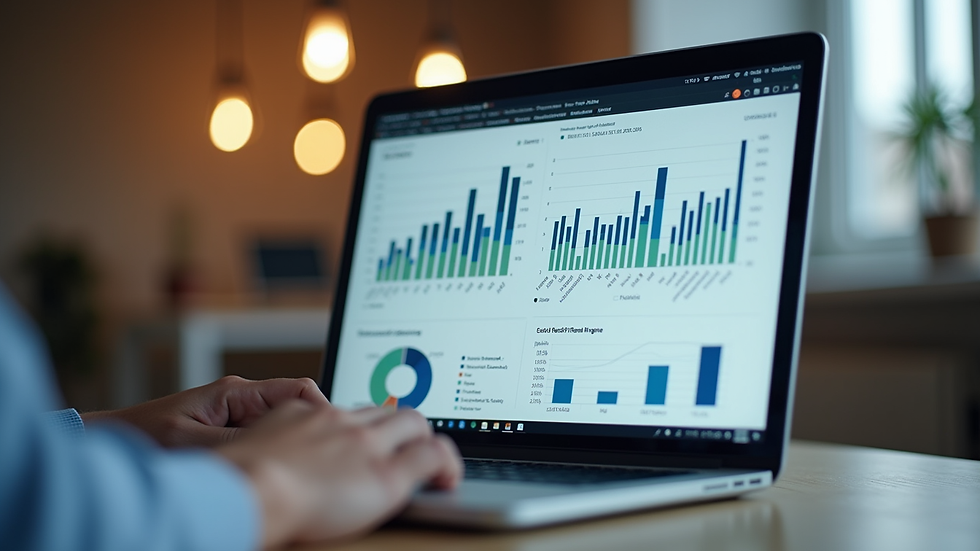
How to Use Data to Set Rental Prices Effectively
To set rental prices with data, you need a systematic approach. Here are the key steps I follow:
Collect Market Data
Start by gathering data on rental prices for properties similar to yours. Look at size, location, amenities, and guest ratings. Use online platforms, local listings, and property management tools to collect this information.
Analyze Seasonal Trends
Identify high and low demand periods in your area. For example, coastal locations may have peak seasons in summer, while urban areas might see more business travelers during weekdays. Adjust your prices to reflect these trends.
Evaluate Your Property’s Unique Features
Consider what makes your rental stand out. Does it have a pool, a great view, or proximity to attractions? These features can justify higher prices. Compare your property’s amenities with competitors to find your pricing advantage.
Monitor Competitor Pricing Regularly
Keep an eye on how your competitors price their rentals. If they change prices, consider whether you should adjust yours to stay competitive. This is especially important during special events or holidays.
Use Dynamic Pricing Tools
Consider using software that automatically adjusts prices based on market data and demand. These tools can save time and optimize revenue by responding quickly to market changes.
Test and Refine Your Pricing
Start with a data-informed price and monitor booking rates. If you notice low occupancy, consider lowering prices slightly. If bookings are high and guests leave positive reviews, you might increase prices gradually.
By following these steps, you can create a pricing strategy that is both competitive and profitable.
For a detailed guide on how to set rental prices with data, you can explore additional resources that provide tools and case studies.
What Adds the Most Value to a Rental?
Understanding what adds value to your rental is essential for pricing it correctly. Guests are willing to pay more for features and services that enhance their stay. Here are some of the top value drivers I have identified:
Location
Proximity to popular attractions, public transport, and dining options significantly increases rental value. A rental in a central or scenic location commands higher prices.
Cleanliness and Maintenance
Well-maintained properties with spotless interiors attract better reviews and repeat bookings. Investing in regular upkeep pays off in higher rental income.
Amenities
Features like fast Wi-Fi, air conditioning, a fully equipped kitchen, parking, and laundry facilities add convenience and justify premium pricing.
Unique Experiences
Properties offering something special, such as a hot tub, a private garden, or themed decor, stand out and can charge more.
Flexible Booking Policies
Allowing flexible check-in/out times or offering free cancellation can increase appeal and occupancy.
Guest Communication and Support
Prompt and helpful communication improves guest satisfaction and ratings, which in turn supports higher pricing.
By focusing on these value factors, you can enhance your property’s appeal and justify your pricing strategy.

Using Data to Adjust Prices Dynamically
The rental market is not static. Demand fluctuates due to seasons, events, and economic factors. Using data to adjust prices dynamically helps you capture maximum revenue throughout the year.
Here are practical ways to implement dynamic pricing:
Track Booking Patterns
Monitor how quickly your property books at different price points. If bookings slow down, consider lowering prices temporarily.
Leverage Local Event Calendars
Increase prices during festivals, conferences, or holidays when demand spikes.
Use Occupancy Rates as a Guide
If your property is consistently booked, raise prices incrementally. If occupancy drops, reduce prices to attract more guests.
Incorporate Lead Time Data
Adjust prices based on how far in advance guests book. Last-minute bookings may require discounts, while early bookings can be priced higher.
Review Competitor Changes
Stay alert to competitor price changes and respond quickly to maintain competitiveness.
Dynamic pricing requires ongoing attention but can significantly improve your rental’s financial performance.
Building Trust Through Transparent Pricing
Transparent pricing builds trust with guests and encourages bookings. Using data to justify your rates allows you to communicate clearly about your pricing decisions.
Here are some tips to maintain transparency:
Explain Seasonal Price Changes
Let guests know why prices vary during peak and off-peak seasons.
Highlight Value-Added Features
Emphasize the amenities and services that justify your rates.
Avoid Hidden Fees
Be upfront about cleaning fees, taxes, and other charges.
Provide Clear Cancellation Policies
Clear policies reduce guest uncertainty and improve satisfaction.
By combining data-driven pricing with transparent communication, you create a positive guest experience that supports long-term success.
Taking the Next Step in Rental Pricing Optimization
Optimizing rental pricing with data is an ongoing process. It requires attention to market trends, guest feedback, and property performance. By applying the strategies outlined here, you can improve your rental’s profitability and appeal.
Start by gathering relevant data and analyzing your local market. Focus on what adds value to your property and adjust prices dynamically to match demand. Remember to communicate pricing clearly to build trust with guests.
With consistent effort and data-driven decisions, your rental can achieve strong financial results and attract more bookings. This approach aligns with the goal of expanding professionally managed short-term rental portfolios while delivering exceptional guest experiences.
I encourage you to explore tools and resources that support data-based rental pricing and continue refining your strategy for the best outcomes.


Comments